


Industrial Sector Performance Index
Current Phase
Strong Recovery
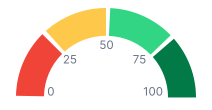

Index Value: 41.75
Summary
A strong recovery in the industrial sector occurs when the performance and output of industries involved in manufacturing, production, and related activities start to move towards growth.
Index Value (LHS)
How to Embed this Chart?
Current Phase
Strong Recovery
Index Value: 41.75
Summary
A strong recovery in the industrial sector occurs when the performance and output of industries involved in manufacturing, production, and related activities start to move towards growth.
Showing: Index Value • Range: 10 Years
Index Value (LHS)


Industrial Sector Performance Index offers an outlook for manufacturing and industrial sectors performance based on key indicators such as PMI, energy requirements, capacity utilisation, and production quantity of key raw materials. Industrial Sector Performance Index indicates the demand for goods, production trends, and also provides a near to medium term outlook, which is crucial for assessing investment activity by industries and production trends in the economy. The index captures demand and supply side fluctuations, impact of domestic and global policy changes such as tax reforms, industrial policies and seasonal variations in the industry and their impact on employment and growth.
The index covers diverse economic parameters, covering both demand and supply side factors. We have assigned appropriate weights to each of these indicators to capture the trends and outlook of the industrial sector activities.
The industrial sector is a bellwether for economic conditions and plays a pivotal role in the well-being of a nation's population, impacting everything from employment to income levels. Understanding the performance of this sector allows individuals and businesses to develop robust, adaptive financial strategies that are well-equipped to capitalise on emerging opportunities.
Identifying Trends in Key Sub-sectors: By analysing trends in sub-sectors such as production trends in manufacturing, credit demand and capacity utilisation, investors can gauge business conditions. For instance, a surge in manufacturing output might suggest an opportune moment to invest in related stocks or sector-specific mutual funds. A consistent increase in IIP might signal a growing industrial activity, suggesting a potentially favourable time to invest in industrial raw material stocks.
Demand Forecasting in the Industry: Indicators such as sale of consumer durables, non-durables, and energy requirements shed light on domestic consumer demand for the manufactured products, aiding in the adjustment of spending and savings strategies, particularly during economic downturns.
Predictive Employment Trends: Observing trends in the industrial sector offers a predictive view of job market stability. This is crucial for individuals employed in this sector to plan for financial security and emergency savings. For example, steady growth in production enhances the prospects for job creation and stability in the manufacturing industry and also indicates a stable investment environment for employees in this sector.
Policy Changes and Tax Reforms Impact: Monitoring shifts in policy and tax reforms related to the industrial sector is essential to strategically align the investments to either mitigate risks or leverage new opportunities that arise from these economic policy shifts.
Apr
2025

The EU and the US are India’s largest trading partners and a key source of FDI and Exports. Donald Trump’s victory in the 2024 elections and his subsequent announcement of reciprocal tariffs on trading partners reignited the concerns around protectionist policies as a means. European Parliament (EP) is the EU’s directly elected legislative body, with 720 members (MEPs) representing 27 member states. Elections occur every five years.
Jan
2023
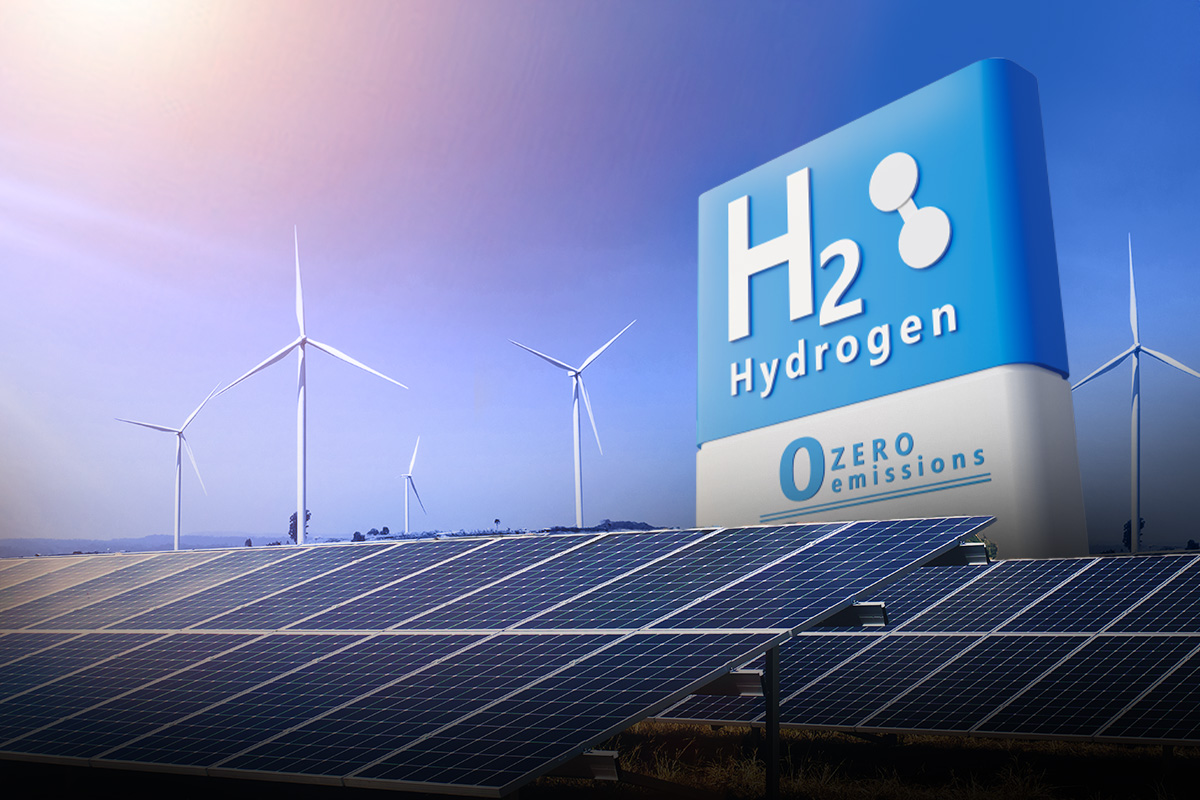
The Production Linked Incentive Scheme provides financial incentives to companies based on incremental sales from products manufactured in domestic units. It aims to boost domestic manufacturing, enhance export capabilities, and reduce import dependence. It was launched in March 2020 and expanded to include 14 critical industries in 2023 and 2024. The National Green Hydrogen Mission (NGHM), launched in Jan 2023, aims to position India as a global leader in green hydrogen production, utilisation, and export.
Feb
2022

The Russia-Ukraine War, escalating significantly with Russia’s military intervention in Ukraine on February 24, 2022, was a major geopolitical conflict that has caused widespread international concern and economic repercussions. It marks a severe intensification of the long-standing tensions between Russia and Ukraine.
Apr
2021
+Scheme.png)
The Production Linked Incentive (PLI) Scheme, notified by the Department for Promotion of Industry and Internal Trade (DPIIT) on April 16, 2021, was a strategic initiative by the Indian government to encourage domestic manufacturing and increase exports. This scheme was part of a broader national effort to position India as a global manufacturing hub.
Mar
2020

The COVID-19 pandemic, a global health crisis caused by the novel coronavirus, began affecting India significantly from March 2020. Characterised by widespread infections, lockdowns, and public health emergencies, the pandemic has had profound implications on the Indian economy and society. According to the Ministry of Health and Family Welfare (MoHFW), COVID-19 caused 5,33,318 deaths as of December 19, 2023.


